
It’s crucial to understand what you are investing in if you’re looking for ceramic sleeves for your items. It’s crucial to understand this product’s advantages and the considerations to make when utilizing it. Learn more by reading on!
How Do Ceramic Sleeves work?
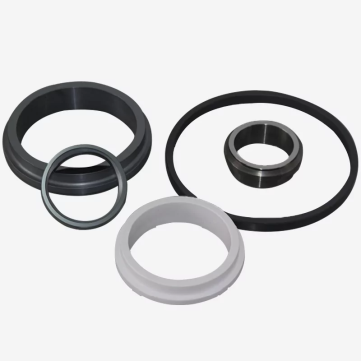
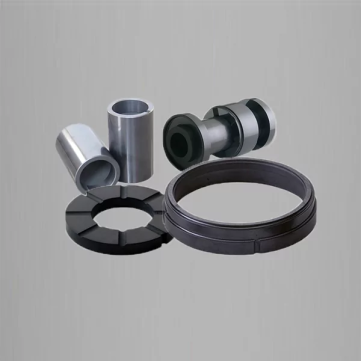
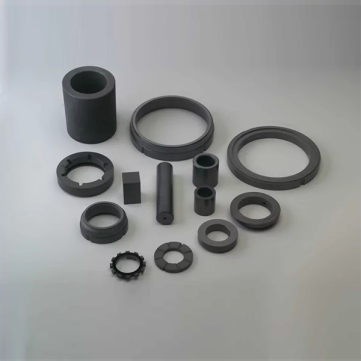
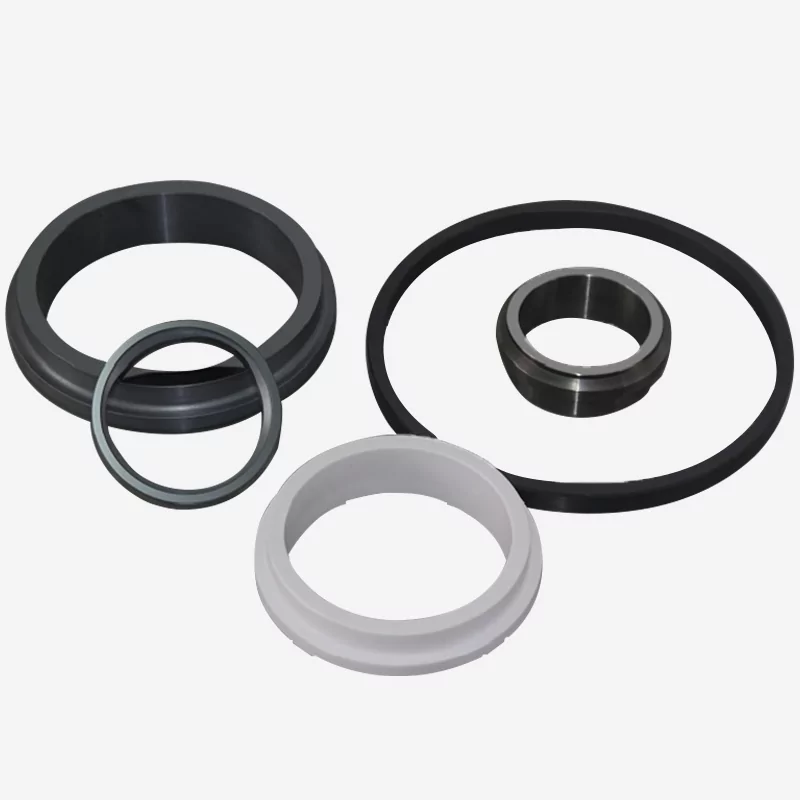
A form of bushing composed of ceramic materials is the ceramic sleeve. A ceramic sleeve is a good choice for applications where resistance to wear and tear is critical. Ceramic sleeves have the advantage of being heat resistant, which can help them keep their performance and shape over time.
Junty Ceramic Sleeves’ Advantages

Due to their numerous advantages, ceramic sleeves have recently become more popular. Oil and gas pipelines, water supply, and wind turbines are a few applications for junky ceramic sleeves. The following are some advantages of utilizing Junty ceramic sleeves:
-Junty ceramic sleeves don’t conduct electricity. This implies that it won’t cause electrical interference or system heat buildup.
-Junty ceramic sleeves resist deterioration, and as a result, they will require less frequent replacement and will last longer than conventional bearings.
–Junty ceramic sleeves make very little noise. This means that they will only make a little noise when in use.
-Junty ceramic sleeves don’t react to changes in temperature. This implies that they won’t deteriorate with time and will work at all temperatures.
Things to Consider
The following considerations should be made when employing ceramic sleeves:
Make sure the sleeves are the appropriate size for the task. While too tiny sleeves may not guarantee sufficient water tightness and durability, too large sleeves will result in excessive wear and tear.
Always use the proper lubricant: Over time, some lubricants can degrade or destroy ceramic bushings. Use a high-quality synthetic oil created with bearings and bushings in mind.
Check for wear – Occasionally look for evidence of wear in the sleeve bore (i.e., excessive grinding or scoring). Replacing the bushing could be essential if there is severe wear.