

Rotor vanes are precision-engineered components that are crucial for mechanical, automotive, and industrial equipment. They are commonly used in rotary machines such as motors, compressors, and pumps to convert mechanical energy into fluid movement, achieving energy transfer and conversion.
Choosing high-quality rotor vanes is important as they experience frequent movements, varying pressures, and harsh operating conditions during operation. The compatibility between high-performance rotors and vanes reduces leakage and failure rates, ensuring rotary machines can meet demanding output and reliability requirements across diverse industries.
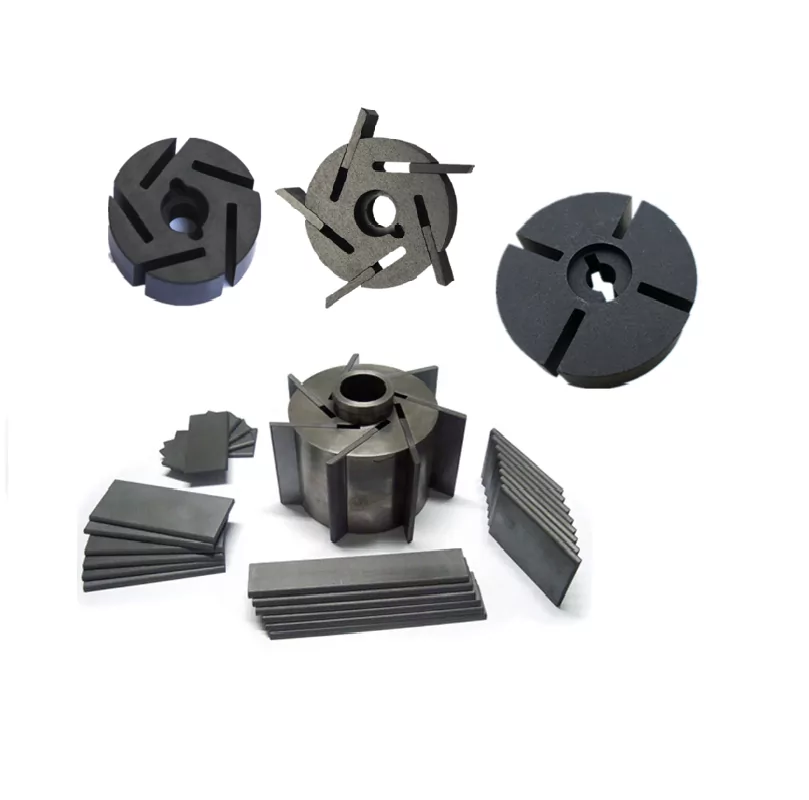
Understanding the Rotor Vanes
Rotor vanes play an integral role inside rotary equipment. Rotors are the rotating assemblies that transmit mechanical power and torque. It is usually disc or cylindrical, made of durable materials to withstand high-speed motion.
Vanes are thin components attached to or embedded in rotors. Their designs vary depending on machinery but often take the form of straight or curved plates. The vane can change its direction, velocity, or pressure by interacting with the fluid, thereby achieving energy transfer and conversion.
The rotors and vanes are usually closely connected, together forming a complete rotating component. The rotor provides rotational power and support, promoting processes such as compression and vacuum generation. The vanes are responsible for interacting with the fluid and achieving energy conversion. The coordination between the rotor and vanes is crucial in ensuring smooth operation during high-speed rotation.
What are the Applications of Rotor Vanes?
Rotor vanes have a wide range of industrial uses thanks to their versatility. Some key rotor vane application areas are:
- Vacuum Pump
The vacuum pump is a kind of device that can generate low-pressure or vacuum environments, commonly used in industries, laboratory research, and medical fields. The rotor blades suck, compress, and discharge gas through rotational motion, thereby establishing and maintaining a vacuum. The efficiency of a pump depends on the material and durability of the vacuum pump blades and rotors, ensuring a reliable and consistent vacuum environment.
- Electric Motor
Electric motors can convert electrical energy into mechanical energy and are widely used in industries and transportation. The role of rotor blades in electric motors cannot be ignored. The interaction between rotor blades and stator can achieve changes in the magnetic field and drive the connected machinery or equipment to rotate. Without rotor blades, the motor will not function.
- Rotary Compressor
Whether it is HVAC, refrigeration, or industrial gas compression, the help of rotor blades is indispensable. It achieves gas compression and emission by changing the pressure and volume of the gas. The ability of vanes to maintain tight leakage-free sealing is crucial for achieving high-pressure ratios.
- Fuel Pump
Fuel pumps are commonly used in vehicles such as cars and ships. The rotor blades generate a pressure difference through rotational motion, then suck in fuel and deliver it to the engine through pipelines. It ensures a stable supply of fuel for internal combustion engines.
Vanes allow for smooth internal fluid transport and form durable seals under high system pressures. Their dimensional stability prevents fuel leakage during thousands of pressure cycles.
JUNTY’s Rotors and Vanes
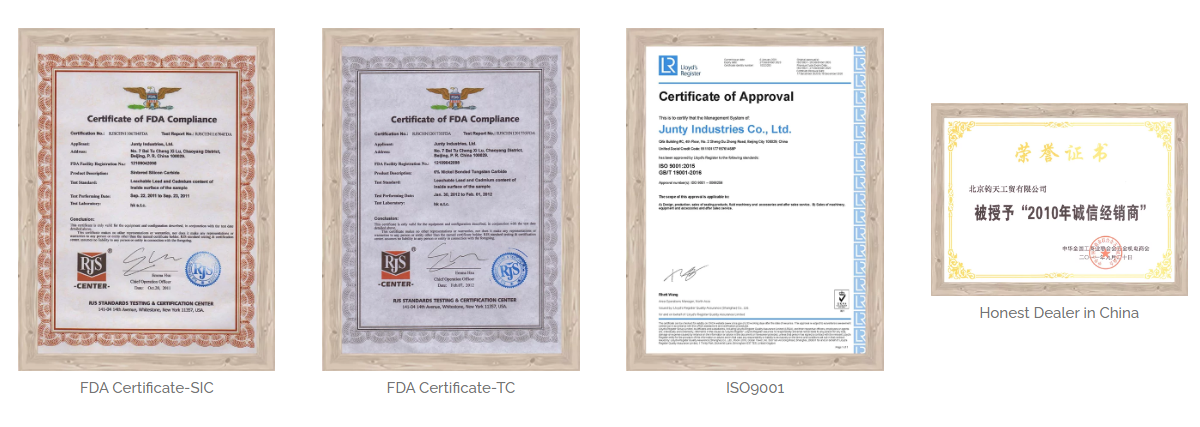
JUNTY is a leading manufacturer and supplier of high-performance rotors and vanes. With over 20 years of experience, our company serves clients globally. We have a skilled R&D team that closely works with clients to understand application needs. We pride ourselves on our manufacturing capabilities that enable full control over material selection, specialized processes, and quality inspection.
At JUNTY, we offer high-quality rotors and vanes for various industrial applications. This includes carbon graphite material suitable for pumps, compressors, and electric motors. We provide high-performance rotors and vanes constructed from specialized materials tailored for unique operating conditions. These products meet demanding specifications through our expert manufacturing capabilities. Key advantages include:
- Proprietary Material Formulations:We develop unique products tailored to clients’ specific operating conditions and performance requirements.
- Vertical Integration:All production stages, from raw material processing to finished parts, are handled in-house for full quality control.
- Multiple Material Options: A variety of graphite grades are available to choose from, including resin-bonded graphite, carbon graphite, and electrographite.
- Customization: Rotors and vanes can be manufactured to exact specifications per client needs.
- Collaboration Throughout Process:We work closely with each client to ensure their product needs are fully understood and met.
Conclusion
In a nutshell, rotor vanes are indispensable precision components, and their role inside machinery cannot be understated. Their design and quality directly impact equipment efficiency, lifespan, and process parameters.
At JUNTY, we offer a wide variety of premium-grade rotors and vanes manufactured with advanced technologies and stringent quality standards. As an industry-leading brand, we specialize in delivering products that meet and exceed your application needs. Schedule a consultation today to review your project specs and ensure compatibility with our product lines!
Share This Post With Others!
Related Posts
 4 Tips to Prevent Failure and Install Mechanical Seal for Water PumpApril 12, 2024
 What’s the Role of Thrust Washer Bearing for Electric Submersible Pump?March 22, 2024
 What is Shaft Sleeve? Introduction to Materials and Replacement GuideFebruary 2, 2024