

The face of the world is constantly changing, and so are our needs. We need durable products that can survive in an ever-changing environment and aren’t easily damaged. One of the most adaptable materials for wear components is tungsten carbide ceramic.
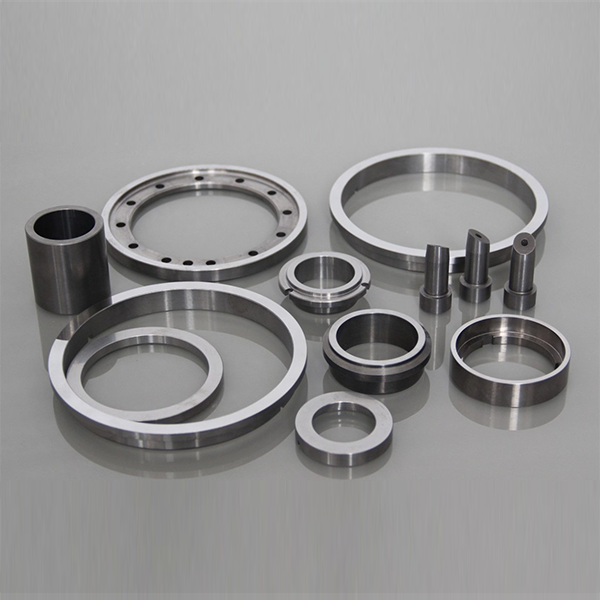
What is Junty’s Tungsten Carbide Ceramic?
Tungsten carbide ceramic (WCC) is a material that has rapidly become the choice for wear components in a variety of industries due to its unique properties. The most notable of which is its extreme adaptability to a variety of operating environments and materials.
One of the key factors that contributes to this versatility is WCC’s ability to withstand high temperatures and pressures. This makes it an ideal material for applications such as engine casings and gears, where high temperatures and loads are common. Additionally, WCC’s resistance to wear and corrosion means it can be used in applications like aircraft parts, where resistance to corrosion and abrasion is important.
Another key benefit of using WCC in wear components is its low friction properties. This makes it an ideal material for applications that require high speeds, such as turbines and motors. In addition, WCC’s low coefficient of friction results in minimal drag during movement, which enhances performance.
Overall, Tungsten carbide ceramic represents an excellent choice for wear components due to its unique properties and adaptability to a variety of industries.
What Are Some Of The Applications Of Tungsten Carbide Ceramic?
Tungsten carbide ceramic is an incredibly versatile material that can be used in a variety of applications. Some of the most common applications include wear components, contactors, and sensors.
Wear components are essential for devices that require high levels of durability and performance. Tungsten carbide ceramic is a highly durable material that can withstand high levels of wear and tear. It also has a low coefficient of friction, which makes it an ideal choice for wear components that require minimal friction.
Contactors are important components in electronic devices. They play a role in converting electric signals into physical actions, such as clicking buttons or turning motors. Contactors are often made out of materials with low coefficients of friction, which is why tungsten carbide ceramic is such a good choice for them.
Sensors are another common application for tungsten carbide ceramic. Sensors are used to measure different kinds of data, including temperature and pressure. They’re typically very small and lightweight, which means they can be easily incorporated into devices without compromising their performance or durability.
Conclusion
Junty‘s tungsten carbide ceramic is a very adaptable material for wear components and has many pros. Some of the benefits of using tungsten carbide ceramic in wear components are that it is very hard, wears well under severe conditions, has low friction and low thermal expansion, and can resist corrosion.
Share This Post With Others!
Related Posts
 Enhance Water Pump Performance with Versatile Mechanical Seal Rings from JuntyAugust 30, 2024
 Trust Junty for All of Your Thrust Disc and Thrust Washer NeedsAugust 29, 2024
 Your Trusted Source for High-Quality Mechanical Seal PartsAugust 28, 2024
 Carbon Graphite Solutions Boasting Resin Bonding, Resin Impregnating, and Metal ImpregnatingAugust 27, 2024