

Ceramic sleeves protect chemicals and equipment from damage. They can be made of different materials to suit different needs, including steel, aluminum, copper, and even silicon carbide! They are a long lasting investment that can save you the hassle of replacing items over time.
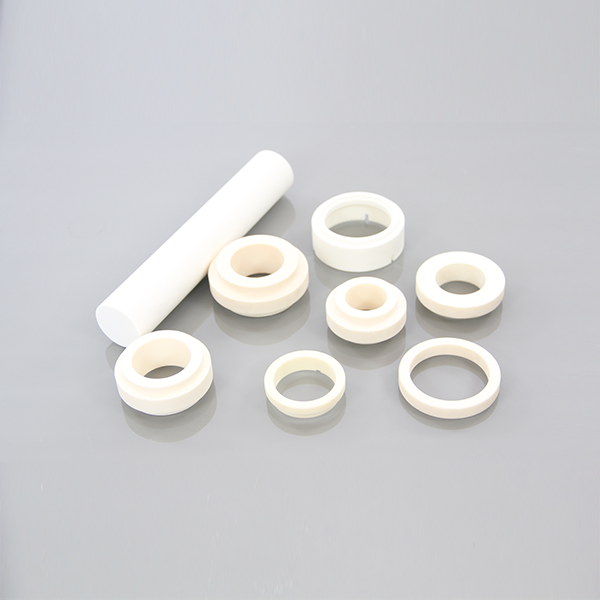
Ceramic Sleeves: How To Protect Chemical Machinery?
Ceramic sleeves are a great way to protect chemical machinery from contact with solvents and other potentially dangerous chemicals. Inexpensive and easy to install, ceramic sleeves can be a valuable tool for protecting your business.
There are several different types of ceramic sleeves available on the market, each with its own unique properties and advantages. Before choosing a sleeve, it is important to consider the type of chemical you plan to process. For example, some sleeves are designed for use with water-based chemicals while others are better suited for oil-based products.
Once you have determined the type of sleeve you need, the next step is to choose a suitable material. Many ceramic sleeves are made from polypropylene, but there are also versions made from other materials, such as rubber or stainless steel. It is important to select a material that will not corrode or crack under pressure.
Types Of Ceramic Sleeves
There are a variety of types of ceramic sleeves available on the market to protect chemicals and equipment from exposure to heat, humidity, and other contaminants. These sleeves can be used in a variety of industries, including pharmaceuticals, food processing, cosmetics, and plastics manufacturing.
The most common type of ceramic sleeve is the insulation sleeve. This sleeve is made from a thick layer of ceramic material that is placed between the item being protected and the outside environment. The insulation sleeve helps keep heat and humidity away from the object being protected, and it also helps reduce the exposure time for contaminants.
Another type of ceramic sleeve is the barrier sleeve. This sleeve is made up of several layers of ceramic material that sandwich the object being protected. The barrier sleeve helps to prevent moisture and contaminants from entering into the object being protected, while also protecting against heat and humidity exposure.
The last type of ceramic sleeve is the fire retardant sleeve. This sleeve is designed to help protect objects from fires by preventing flames from spreading quickly through the object being protected. The fire retardant sleeves often have a coating that prevents chemicals or combustible materials from igniting easily.
Conclusion
The ceramic sleeves protect it from harm caused by corrosive fluids, bearing shells, and shaft seals on a mechanical, chemical, and chemical-mechanical level. Therefore, if you want to know more information about ceramic sleeves, please contact Junty. The Junty team is a creative, devoted, and passionate group with industry knowledge. Our joint goal at Junty is to constantly provide excellent service to our clients in the fluid sealing sector.
¡Comparta esta publicación!
Publicaciones relacionadas
 Mejore el rendimiento de las bombas de agua con anillos de sello mecánico versátiles de Junty30 de agosto de 2024
 Confíe en Junty para todas sus necesidades de discos de empuje y arandelas de empuje29 de agosto de 2024
 Su fuente de confianza para piezas de sellos mecánicos de alta calidad28 de agosto de 2024
 Soluciones de grafito de carbono con enlace de resina, impregnación con resina e impregnación metálica27 de agosto de 2024