

Rotary shaft seal is a mechanical device used in machinery that seals the connection between rotating and stationary parts. It has a similar function to the globe or ball bearing, but it does not have an inner race composed of rolling elements. A rotary shaft seal is made up of two ring-shaped, symmetrical parts located at either end of the seal body. This blog article discusses why a rotary shaft seal is important for sealing rotating parts and what are some negative effects these devices can have on machines.
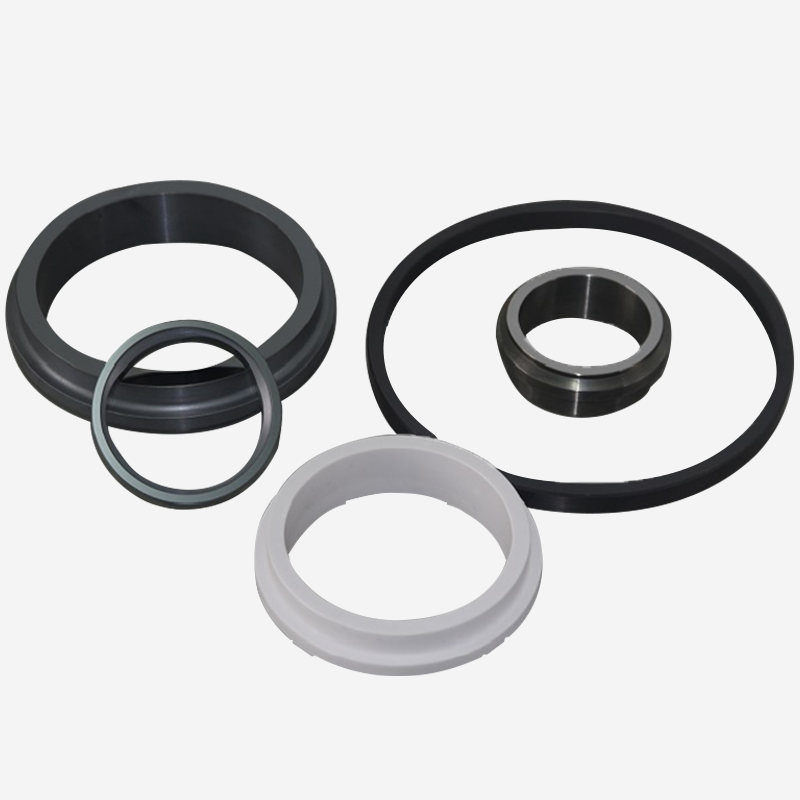
What Is A Rotary Shaft Seal?
A rotary shaft seal is a type of seal used in rotating machinery, typically on the drive shaft or other rotating element. These seals are designed to resist the leakage of fluid or gas between the rotating elements and their supporting structure..
How Does A Rotary Shaft Seal Work?
A rotary shaft seal is a type of mechanical seal used on rotating machinery, typically found on the crankshaft or camshaft. It is designed to prevent leakage of oil and other fluids from the engine or motor. The seal consists of two opposing surfaces that contact each other at regular intervals. As the shaft rotates, these surfaces move back and forth past each other, creating a friction seal that prevents fluid from escaping.
Why Is It Important?
Rotary shaft seals are important because they help to keep the engine running smoothly and free of leaks. A leak can cause major damage to the engine, and in some cases, could even lead to a fire. In order to prevent these types of problems, it’s important to have a rotary shaft seal on each end of the shaft.
Conclusion
A rotary shaft seal is a type of seal that’s used in various applications, including engines and pumps. It helps to keep the engine or pump running smoothly by preventing leaks and ensuring complete compression of the fluid being pumped. You may have heard of rotary shaft seals if you’ve ever been involved in an accident where hydraulic fluid has leaked. A rotary shaft seal can help prevent similar accidents from happening in the future. If you are looking for rotary shaft seal, you can contact Junty for more information.
Share This Post With Others!
Related Posts
 Enhance Water Pump Performance with Versatile Mechanical Seal Rings from JuntyAugust 30, 2024
 Trust Junty for All of Your Thrust Disc and Thrust Washer NeedsAugust 29, 2024
 Your Trusted Source for High-Quality Mechanical Seal PartsAugust 28, 2024
 Carbon Graphite Solutions Boasting Resin Bonding, Resin Impregnating, and Metal ImpregnatingAugust 27, 2024