

At Junty, we take pride in our expertise and innovation in delivering high-performance materials, specifically in the realm of silicon carbide (SiC). With over two decades of experience, we have established ourselves as a reliable brand that offers cutting-edge solutions to meet and exceed industry standards. Our customization options ensure that we can tailor silicon carbide solutions to suit your specific needs. In this article, we will explore the benefits of Reaction Bonded Silicon Carbide (RB SiC), Sintered Silicon Carbide (SSiC), and graphite-loaded silicon carbide, shedding light on their unique properties and applications.
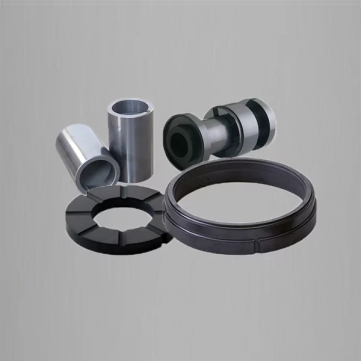
Reaction Bonded Silicon Carbide (RB SiC)
RB SiC is a cost-effective material that boasts excellent chemical resistance and outstanding wear properties. Ideal for various applications, RB SiC finds particular use in the manufacturing of mechanical seals, including the popular SiC mechanical seal. These seals are widely recognized for their ability to withstand extreme conditions, such as high temperatures and chemically hostile fluids. Junty’s expertise in RB SiC allows us to craft reliable and durable SiC mechanical seals that ensure optimal performance in critical industrial processes.
Sintered Silicon Carbide (SSiC)
SSiC stands out as the most resistant material against chemically hostile fluids due to its composition, which contains no free silicon. This characteristic makes SSiC the go-to choice for high-temperature applications where the presence of free silicon is undesirable. With our focus on innovation, Junty utilizes SSiC to develop advanced components that excel in extreme environments. Our SSiC-based mechanical seals offer exceptional reliability and longevity, ensuring uninterrupted operation and preventing leaks and contamination.
Graphite-Loaded Silicon Carbide
Graphite-loaded silicon carbide, also known as SiC + C, is a composite material that combines the benefits of silicon carbide and free graphite. This mixture enhances the tribological performance and lubricity of RB SiC or SSiC. Junty utilizes this composite to create custom solutions that provide superior performance in demanding applications. Our graphite-loaded silicon carbide components, including mechanical seals, deliver enhanced wear resistance, reduced friction, and improved overall operational efficiency.
Conclusion:
In today’s competitive industrial landscape, finding a trusted partner for high-performance materials is crucial. Junty stands out as a reliable brand with over two decades of expertise in delivering cutting-edge silicon carbide solutions. Whether you require RB SiC, SSiC, or graphite-loaded silicon carbide, our customization options ensure that we can meet your specific needs. From SiC mechanical seals to various other components, Junty’s silicon carbide solutions provide unparalleled performance, reliability, and longevity. Partner with us today and experience the benefits of our expertise, innovation, and customization options for your silicon carbide requirements. Together, we can achieve optimal results and ensure the success of your industrial processes.
Share This Post With Others!
Related Posts
 Enhance Water Pump Performance with Versatile Mechanical Seal Rings from JuntyAugust 30, 2024
 Trust Junty for All of Your Thrust Disc and Thrust Washer NeedsAugust 29, 2024
 Your Trusted Source for High-Quality Mechanical Seal PartsAugust 28, 2024
 Carbon Graphite Solutions Boasting Resin Bonding, Resin Impregnating, and Metal ImpregnatingAugust 27, 2024