

When it comes to sealing products, achieving exceptional performance and reliability is crucial. That’s where FFKM material comes into the picture. In this article, we will delve into the advantages of FFKM over regular FKM rubber, explore its versatile applications, and introduce Junty‘s top-notch FFKM products that provide reliable sealing solutions.
Enhanced Material Application and Cost Efficiency
While regular FKM rubber exhibits decent sealing properties, FFKM takes it up a notch. The perfluorinated structure makes FFKM highly resistant to chemicals, thermal extremes, and harsh environments. This enhanced resilience allows FFKM sealing products to excel in demanding applications where standard materials fall short. Moreover, despite its impressive sealing capabilities, FFKM remains cost-effective, making it a viable choice for many industries.
Corrosion and High Temperature Resistance
One of the remarkable features of FFKM material is its outstanding resistance to corrosion and high temperatures. Junty’s FFKM material, often known as purple rubber, has been formulated to withstand the most aggressive chemical environments. It can resist over 1600 types of chemical corrosion, enabling it to maintain excellent performance even in harsh conditions. Additionally, purple rubber exhibits exceptional temperature resistance, ensuring stability and durability in extreme working conditions.
Versatile Applications of FFKM Sealing Products
Thanks to its exceptional properties, FFKM is widely used in various sealing applications. Here are some of the versatile applications of FFKM sealing products:
Gaskets, O-rings, and Superior Wear Resistance Components
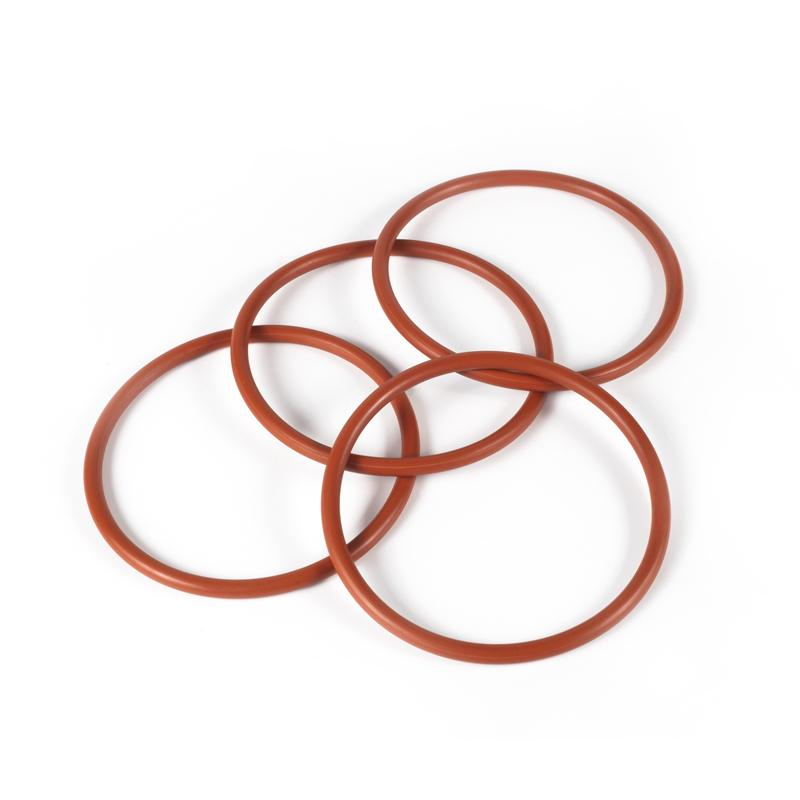
FFKM material can be formed into different sealing products, such as gaskets and O-rings. These components play a crucial role in maintaining the integrity of fluid and gas systems, preventing leaks and contamination. Additionally, FFKM’s superior wear resistance makes it ideal for applications that require continuous and reliable performance.
Protection Against Over 1600 Types of Chemical Corrosion
Chemical industries face unique challenges due to the corrosive nature of the substances they handle. Junty’s FFKM sealing products offer a robust solution by providing unparalleled chemical resistance. With the ability to withstand the attack of over 1600 types of chemical corrosion, our FFKM seals ensure optimal performance and longevity, protecting critical equipment and reducing maintenance costs.
Exploring Junty FFKM Products for Reliable Sealing Solutions
Our company understands the significance of material selection in achieving exceptional sealing performance. That’s why we have curated an extensive range of FFKM materials to meet various application requirements. From standard grades to specialized formulations, Junty offers the right FFKM solution for every sealing challenge.
Conclusion
In conclusion, Junty’s FFKM material and products offer unparalleled sealing performance. With its superiority over regular FKM rubber, wide range of applications, and exceptional physical properties, our FFKM solutions provide reliable, long-lasting sealing solutions for various industries. Trust Junty as your preferred partner for FFKM needs and experience the difference our products can make in enhancing the efficiency and durability of your sealing applications. Contact us today to unleash the power of Junty’s FFKM material and elevate your sealing solutions to new heights.
Share This Post With Others!
Related Posts
 Enhance Water Pump Performance with Versatile Mechanical Seal Rings from JuntyAugust 30, 2024
 Trust Junty for All of Your Thrust Disc and Thrust Washer NeedsAugust 29, 2024
 Your Trusted Source for High-Quality Mechanical Seal PartsAugust 28, 2024
 Carbon Graphite Solutions Boasting Resin Bonding, Resin Impregnating, and Metal ImpregnatingAugust 27, 2024