

Aluminum oxide ceramic, also known as alumina, has a rich history as an engineering ceramic. Its remarkable properties have made it a popular choice for a wide range of applications, especially in the field of mechanical seals. With outstanding hardness and wear resistance, aluminum oxide ceramic exhibits exceptional performance that meets the demanding requirements of various industries. Junty is a leading seal product supplier.
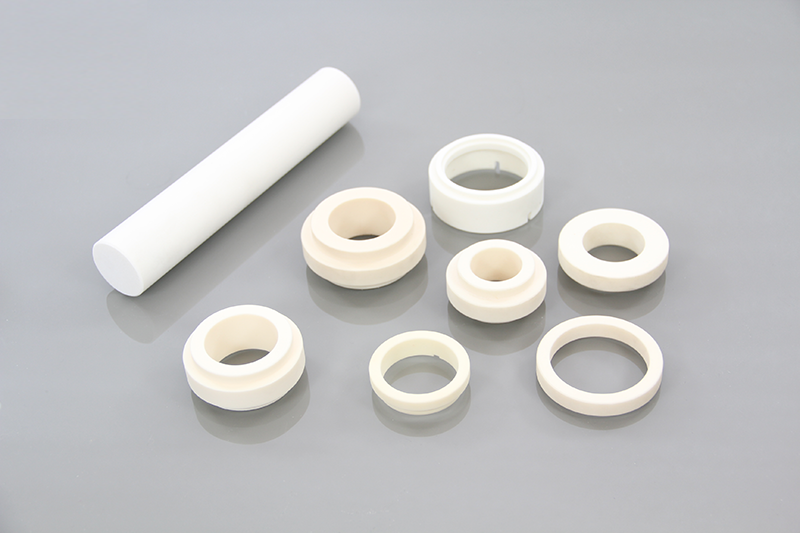
Advantages of Aluminum Oxide Ceramic in Mechanical Seals
When it comes to mechanical seals, the advantages of using aluminum oxide ceramic are undeniable. One of the key benefits is its excellent chemical inertness, which ensures compatibility with almost any sealing application. Regardless of the operating conditions, aluminum oxide ceramic remains unaffected by corrosive fluids or harsh environments. This makes it a reliable choice for critical applications in industries such as manufacturing, oil and gas, chemical processing, pharmaceuticals, and water treatment.
At Junty, we take pride in offering high-quality and wear-resistant mechanical seal parts made from aluminum oxide ceramic. Our company understands the importance of durability and reliability in mechanical seals, and we strive to provide our customers with products that exceed their expectations. By utilizing advanced manufacturing techniques and stringent quality control measures, we ensure that our products meet the highest industry standards.
In addition to quality, another advantage of aluminum oxide ceramic is its versatility. It can be manufactured in different purity ranges, allowing us to cater to the diverse needs of our customers. Whether they require a purity level of 95% or up to 99.5%, our products are available in varying compositions to suit specific sealing requirements. This flexibility enables us to deliver customized solutions for various industrial applications.
Key Characteristics of Aluminum Oxide Ceramic
To fully grasp the potential of aluminum oxide ceramic for mechanical seals, it’s essential to understand its key characteristics. Firstly, aluminum oxide ceramic boasts a density of approximately 3.9 g/cm3, providing the necessary strength and stability required for reliable sealing performance. Its hardness, measured by Rockwell scale (HRA), is an impressive 86, ensuring resistance to wear and tear even in challenging conditions.
Moreover, aluminum oxide ceramic exhibits exceptional compressive strength, with values of up to 2100 MPa (304,500 psi). This enables our products to withstand high pressure without compromising their integrity. Additionally, the flexural strength of aluminum oxide ceramic reaches a remarkable 350 MPa (51,000 psi), making it highly resistant to bending or breakage under mechanical stress.
Conclusion
In conclusion, Aluminum Oxide Ceramic is a remarkable material for mechanical seals, offering a range of versatile properties that make it an ideal choice. Its historical significance as an engineering ceramic, coupled with its desirable qualities such as hardness and wear resistance, further highlight its value in various applications. The advantages it provides, including excellent chemical inertness and compatibility, as well as the availability of high-quality and wear-resistant mechanical seal parts from Junty, make it a reliable solution for customers. Moreover, the key characteristics of Aluminum Oxide Ceramic, such as density, hardness, compressive strength, flexural strength, elastic modulus, thermal conductivity, and coefficient of thermal expansion, contribute to its exceptional performance and thermal stability.
Share This Post With Others!
Related Posts
 Enhance Water Pump Performance with Versatile Mechanical Seal Rings from JuntyAugust 30, 2024
 Trust Junty for All of Your Thrust Disc and Thrust Washer NeedsAugust 29, 2024
 Your Trusted Source for High-Quality Mechanical Seal PartsAugust 28, 2024
 Carbon Graphite Solutions Boasting Resin Bonding, Resin Impregnating, and Metal ImpregnatingAugust 27, 2024