

In the world of industrial machinery, maintaining optimal performance is crucial. Specifically, when it comes to water pumps, choosing the proper mechanical seal is paramount. At Junty, we understand the importance of ensuring a reliable and efficient operation for your water pump systems. That’s why our line of mechanical seals, including the innovative dry running gas seal, have become a go-to choice for high-speed applications. In this article, we will delve into the fascinating world of mechanical seals, focusing on the benefits of the dry running gas seal and how it sets Junty apart in the industry.
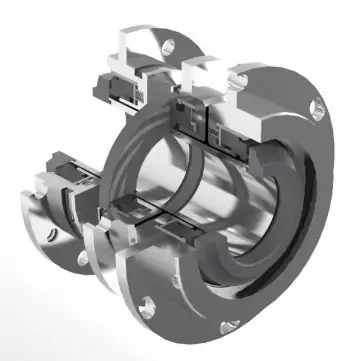
The Dry Running Gas Seal – A Non-Contacting, Dry Running Face Seal
The dry running gas seal offered by Junty is a cutting-edge mechanical seal that operates without contact between the sealing surfaces. Unlike traditional seals, it relies on forming a stable gas film to separate and maintain a precise seal gap. This unique design eliminates friction, reducing wear and extending both the life of the mechanical seal and the equipment itself.
Structure Design: Balancing Efficiency and Functionality
Similar to a balanced mechanical seal, the dry running gas seal encompasses an intelligently designed structure. The key distinction lies in the seal ring/face design, which features microns-deep grooves on the face, along with a wider face width. These grooves aid in the formation of the gas film, which contributes to a stable and effective seal. By ensuring proper seal alignment, the dry running gas seal minimizes leakage, enhancing overall efficiency.
Maintaining Optimal Seal Gap for Superior Performance
Achieving an optimal seal gap is essential for maximum efficiency and reliability. While the sealing gap cannot be too large, as it can increase leakage, it must also not be too small. If the gap is too small, the dry running gas seal faces the risk of contact, leading to friction heat and potential sealing failure. The gas film generated by the seal enables the separation of the seal faces, allowing for efficient cooling and reducing the risk of surface overheating.
Enhanced Durability and Performance
By effectively separating the seal faces, the gas film in the dry running gas seal significantly reduces friction and wear. This not only enhances the lifespan of the mechanical seal but also extends the longevity of the entire water pump system. With reduced maintenance requirements and increased operational efficiency, Junty’s mechanical seals contribute to cost savings and improved productivity, making them an ideal choice for businesses across industries.
Conclusion:
When it comes to mechanical seal for water pumps, Junty stands out with its cutting-edge dry running gas seal. Offering a non-contacting, dry-running face seal solution, Junty ensures superior performance, extended equipment life, and energy efficiency. By maintaining a stable gas film and optimal seal gap, this innovative seal design helps businesses reduce maintenance costs and enhance overall productivity—Trust Junty to keep your water pump systems running smoothly and reliably, even in high-speed applications.
Share This Post With Others!
Related Posts
 Enhance Water Pump Performance with Versatile Mechanical Seal Rings from JuntyAugust 30, 2024
 Trust Junty for All of Your Thrust Disc and Thrust Washer NeedsAugust 29, 2024
 Your Trusted Source for High-Quality Mechanical Seal PartsAugust 28, 2024
 Carbon Graphite Solutions Boasting Resin Bonding, Resin Impregnating, and Metal ImpregnatingAugust 27, 2024