

FFKM rubber, also known as perfluoroelastomer rubber, is a specialized compound that offers exceptional properties for sealing products. At Junty, our company recognizes the importance of understanding FFKM rubber and its unique advantages in various industries. Let’s delve into the composition of FFKM rubber and its key differences from FKM rubber.
Composition and Its Main Component, Perfluorinated Rubber
FFKM rubber is made up of carbon, fluorine, and silicon, resulting in a distinctive molecular structure that provides outstanding chemical resistance and thermal stability. The main component, perfluorinated rubber, contributes to the exceptional properties of FFKM rubber, making it highly suitable for challenging environments.
Key Differences from FKM Rubber
Compared to FKM rubber, FFKM rubber offers notable advantages due to its distinct composition and structure. It exhibits unparalleled corrosion resistance to chemicals, making it ideal for industries where exposure to aggressive substances is common. Additionally, FFKM rubber demonstrates impressive performance at high temperatures, maintaining its integrity and sealing capabilities in extreme heat conditions.
Notable Features of FFKM Rubber
One of the standout features of FFKM rubber is its exceptional corrosion resistance. When it comes to exposure to acids, solvents, or aggressive fuels, FFKM rubber remains unaffected, ensuring reliable sealing performance. Industries such as chemical processing, oil refineries, and pharmaceutical manufacturing greatly benefit from the corrosion resistance of FFKM rubber in their critical applications.
Impressive Performance at High Temperatures
FFKM rubber excels in high-temperature environments, surpassing the capabilities of other sealing materials. Whether it’s facing extreme heat or rapid temperature fluctuations, FFKM rubber maintains its sealing properties with remarkable resilience. This makes it highly suitable for applications such as aerospace seals, combustion engines, and semiconductor manufacturing, where temperature variations are significant.
Gaskets, O-rings, and Diverse Sealing Solutions
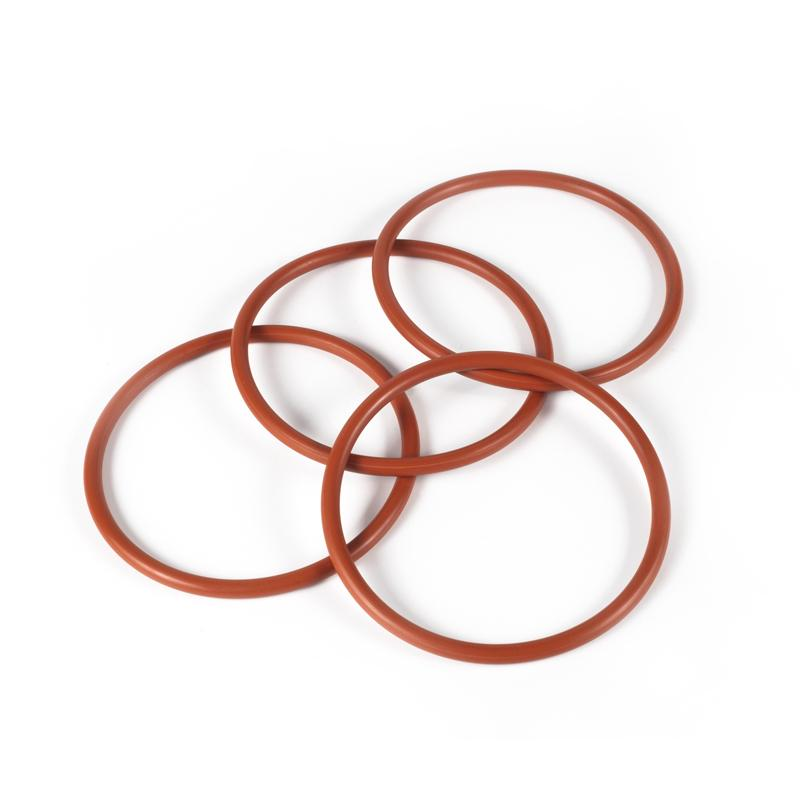
At Junty, we understand the diverse needs of our customers when it comes to sealing solutions. That’s why we offer a comprehensive FFKM rubber product line, including gaskets, O-rings, and various sealing components. These products are meticulously designed and manufactured to provide exceptional sealing performance in critical applications.
Enhanced Durability with Exceptional Wear Resistance
Our FFKM rubber products not only offer excellent sealing capabilities but also exhibit impressive durability. With exceptional wear resistance, they can withstand friction and continuous use without compromising their sealing properties. This longevity translates into cost savings for our customers, as our FFKM rubber products require less frequent maintenance and replacement.
Conclusion
In conclusion, FFKM rubber is a remarkable compound that offers unparalleled corrosion resistance and impressive performance at high temperatures. At Junty, we take pride in providing top-quality FFKM rubber products, including gaskets, O-rings, and various sealing solutions, to meet the specific needs of our customers. By harnessing the unique properties of FFKM rubber, industries can achieve reliable and long-lasting sealing solutions for their critical applications. Trust in Junty for your FFKM rubber needs and unlock the full potential of this exceptional material.
Share This Post With Others!
Related Posts
 Enhance Water Pump Performance with Versatile Mechanical Seal Rings from JuntyAugust 30, 2024
 Trust Junty for All of Your Thrust Disc and Thrust Washer NeedsAugust 29, 2024
 Your Trusted Source for High-Quality Mechanical Seal PartsAugust 28, 2024
 Carbon Graphite Solutions Boasting Resin Bonding, Resin Impregnating, and Metal ImpregnatingAugust 27, 2024