

Mechanical seal rings play a crucial role in ensuring the performance and longevity of mechanical seals. At Junty, we understand the significance of these stationary seal rings and offer a wide range of options to meet diverse industry needs. By incorporating various design features, we provide both standard and non-standard mechanical seal rings to suit your requirements.
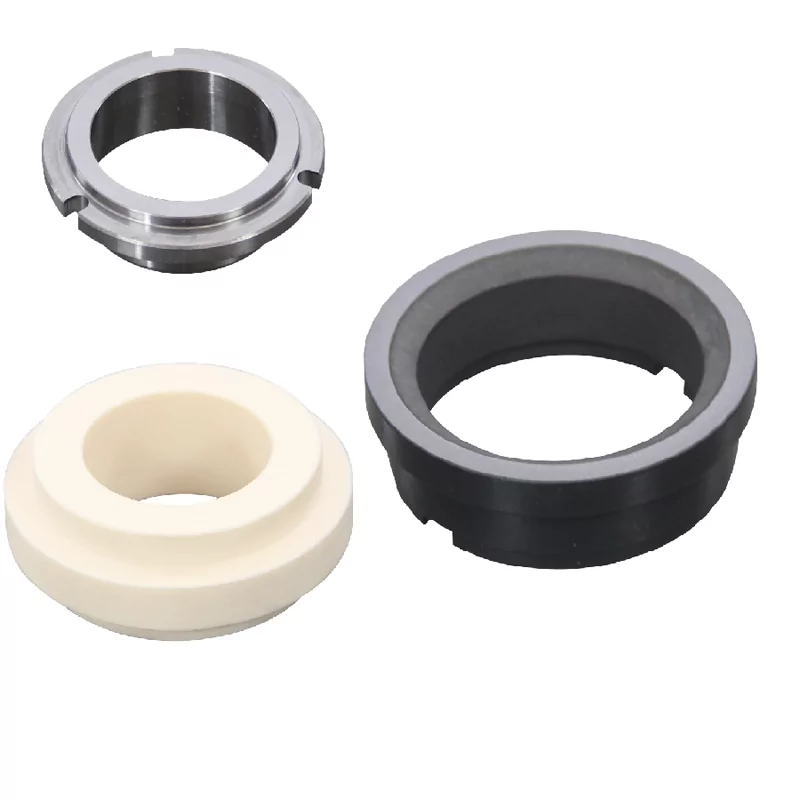
Introduction to Junty
As a leading provider of mechanical seal solutions, Junty is committed to delivering high-quality products that meet our customers’ expectations. Our extensive experience and expertise enable us to offer innovative solutions for various industries, including manufacturing, oil and gas, chemical processing, and more. With a focus on continuous improvement, Junty strives to exceed customer demands through cutting-edge technology and exceptional service.
Material Options
When it comes to mechanical seal rings, material selection is crucial. We offer a wide range of materials to cater to different operational environments. Our selection includes:
- Silicon Carbide (SSIC & RBSIC): Known for its excellent wear resistance and thermal conductivity, silicon carbide is ideal for applications with high pressures and temperatures.
- Tungsten Carbide (6% Nickel TC & 6% Cobalt TC): This material offers superior hardness and corrosion resistance, making it suitable for demanding operating conditions.
- Carbon Graphite (Resin-impregnated & Metal-impregnated): Carbon graphite exhibits self-lubricating properties and can withstand extreme temperature variations.
- Aluminum oxide ceramics (95%, 97%, 99%, 99.5%): With exceptional hardness and electrical insulation properties, aluminum oxide ceramics are commonly used in corrosive media and high-speed applications.
- Zirconia Oxide: Known for its high fracture toughness and excellent wear resistance, zirconia oxide is ideal for applications where mechanical strength is critical.
Performance Considerations
When designing mechanical seal rings, several factors need to be taken into account to ensure optimal performance. These considerations include the material compatibility with rotating and stationary faces, pcV(MPam/s) data, and installation type. What’s more, at Junty, we prioritize these factors during the manufacturing process to guarantee the reliability and longevity of our mechanical seal rings. At Junty, we are equipped to provide tailor-made parts based on your drawings or samples. Our experienced team works closely with you to ensure that the mechanical seal rings are customized to perfectly fit your specific needs.
Conclusion
Mechanical seal rings are vital components that determine the overall performance and lifespan of mechanical seals. With a diverse range of material options, customization capabilities, and a focus on performance considerations, Junty delivers reliable and durable mechanical seal rings to meet the demands of various industries. Trust Junty for all your mechanical seal ring needs and experience the difference that quality and innovation can make in your operations.
Share This Post With Others!
Related Posts
 Enhance Water Pump Performance with Versatile Mechanical Seal Rings from JuntyAugust 30, 2024
 Trust Junty for All of Your Thrust Disc and Thrust Washer NeedsAugust 29, 2024
 Your Trusted Source for High-Quality Mechanical Seal PartsAugust 28, 2024
 Carbon Graphite Solutions Boasting Resin Bonding, Resin Impregnating, and Metal ImpregnatingAugust 27, 2024