

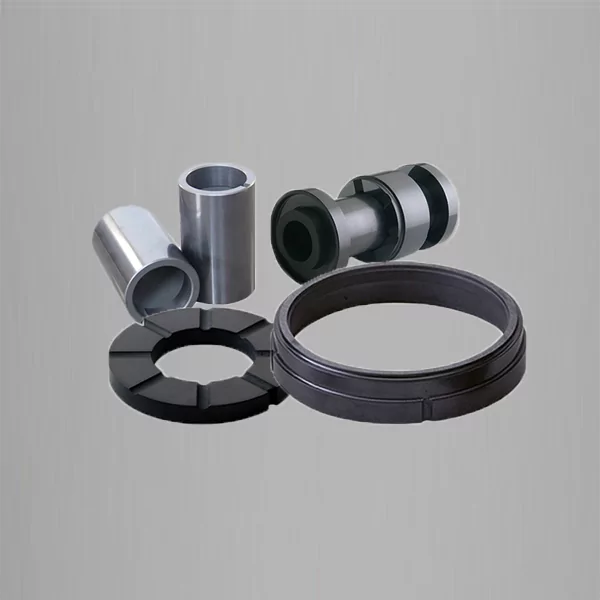
At Junty, we pride ourselves on delivering cutting-edge solutions to improve industrial efficiency and reliability. Our silicon carbide mechanical seal is an exceptional offering that provides unparalleled durability and performance. With over 25 years of market presence, this high-performance tribomaterial has consistently demonstrated its superiority in various applications. In this article, we will delve into the advantages of our silicon carbide mechanical seal, showcasing its remarkable corrosion resistance, wear resistance, low friction coefficients, thermal conductivity, and hardness. Join us as we unlock the potential of this innovative technology.
Unrivaled Corrosion Resistance
Silicon carbide (SiC) mechanical seals are renowned for their exceptional resistance to corrosion. This unique property allows our seals to withstand harsh environments, including aggressive chemicals and corrosive fluids. By opting for Junty’s silicon carbide mechanical seal, businesses can mitigate the risk of premature seal failure, resulting in increased operational efficiency and reduced maintenance costs.
Enhanced Wear Resistance
The outstanding wear resistance of our silicon carbide seals ensures optimal performance and longevity. These seals can withstand demanding conditions with ease, including abrasive media, high-speed rotations, and extreme temperatures. By implementing our seals, businesses can achieve extended service life and minimized downtime, ultimately enhancing productivity and profitability.
Low Friction Coefficients
Junty’s silicon carbide mechanical seals offer low friction coefficients, reducing energy consumption and heat generation. This attribute not only contributes to improved efficiency but also minimizes wear and tear on surrounding components. By optimizing operations with our seals, businesses can experience reduced maintenance requirements and enhanced overall system performance. What’s more, they can enhance the reliability of your products and systems by reducing the likelihood of unexpected failures or malfunctions. This can help you build a reputation for delivering reliable solutions, leading to increased customer satisfaction and loyalty. We believe it also brings economic benefits to the business. Incorporating this revolutionary tribomaterial into your operations brings forth a host of advantages, empowering businesses to overcome challenges and excel in their respective industries.
Conclusion
In a competitive industrial landscape, choosing the right sealing solution is crucial for ensuring optimal performance and longevity. Junty’s silicon carbide mechanical seal stands out as a superior choice, providing exceptional corrosion resistance, wear resistance, low friction coefficients, and other excellent properties. With our innovative technology, businesses can achieve enhanced efficiency, increased reliability, and reduced maintenance costs. Whether it’s in chemical processing, oil and gas production, or other demanding applications, Junty’s silicon carbide mechanical seal will be the catalyst for improved performance and peace of mind.
Share This Post With Others!
Related Posts
 Enhance Water Pump Performance with Versatile Mechanical Seal Rings from JuntyAugust 30, 2024
 Trust Junty for All of Your Thrust Disc and Thrust Washer NeedsAugust 29, 2024
 Your Trusted Source for High-Quality Mechanical Seal PartsAugust 28, 2024
 Carbon Graphite Solutions Boasting Resin Bonding, Resin Impregnating, and Metal ImpregnatingAugust 27, 2024