

This blog article talks about a mechanical shaft seal. The mechanical shaft seal is an important part of a unified type of seal that all types of mechanical seals, including piston seals, need. If you are looking for a relevant and informative article on the topic, this is it!
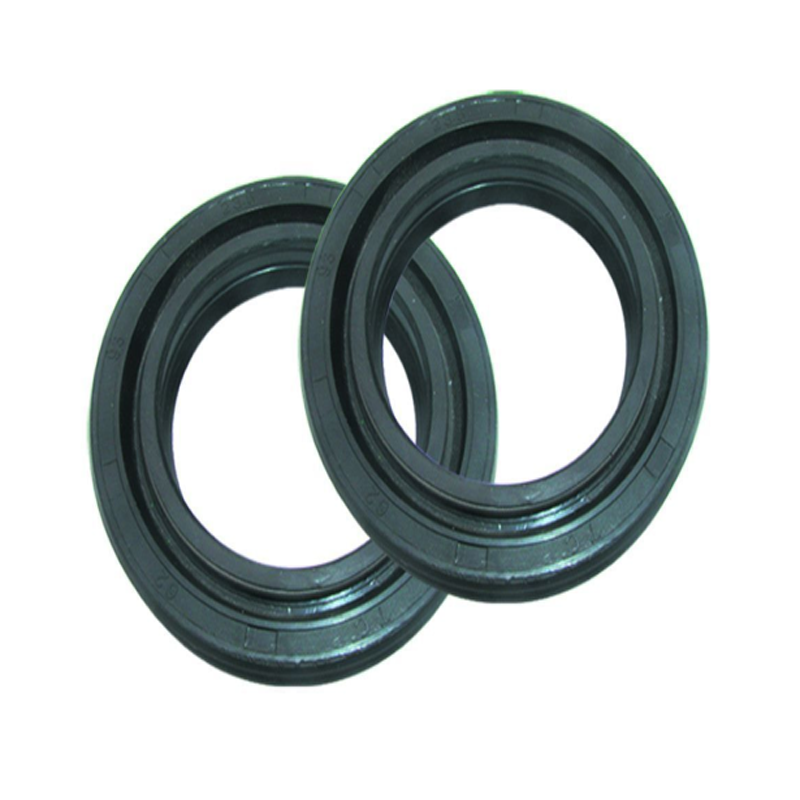
What Is The Mechanical Shaft Seal?
The mechanical shaft seal is a device that is inserted into the engine crankcase to help prevent leakage and wear of the crankcase. The seal helps to create a pressure differential between the crankcase and the atmosphere, which helps to protect the engine from damage.
How Does It Work?
The mechanical shaft seal is a type of seal used in industrial and automotive applications to prevent fluid leakage. It is made up of two halves, which are hinged along the joint and can be opened and closed. When the halves are open, they create a space between them that prevents the flow of liquids or gases.
Benefits Of A Mechanical Shaft Seal
A mechanical shaft seal, also known as a helical shaft seal or spiral shaft seal, is a type of seal used to prevent fluid leakage between two rotating or sliding components. Mechanical shaft seals are important because they can reduce the amount of wear and tear on rotating or sliding parts, which can prolong the life of the equipment. Additionally, mechanical shaft seals can protect against contamination and corrosion.
Conclusion
A form of seal used in rotary engines, pumps, and other rotating machinery is the mechanical shaft seal. The assembly is made up of two parts: an outer sleeve and an interior ring. The outer sleeve’s matching holes are lined up with a number of regularly spaced slots on the inner ring. When the two components are put together, they fit so tightly that liquid cannot seep out (or into) the engine or pump through the spaces between them. As a result, it is possible to run equipment at high speeds while preventing oil leakage. If you’re looking for a mechanical shaft seal, you need to find the right supplier.
We hope that after reading this blog, you’ll feel secure enough to purchase your next mechanical shaft seal and achieve the results you desire. Additionally, Junty, who specializes in mechanical shaft seals, can be contacted. Thank you for reading!
¡Comparta esta publicación!
Publicaciones relacionadas
 Mejore el rendimiento de las bombas de agua con anillos de sello mecánico versátiles de Junty30 de agosto de 2024
 Confíe en Junty para todas sus necesidades de discos de empuje y arandelas de empuje29 de agosto de 2024
 Su fuente de confianza para piezas de sellos mecánicos de alta calidad28 de agosto de 2024
 Soluciones de grafito de carbono con enlace de resina, impregnación con resina e impregnación metálica27 de agosto de 2024