

The next time you hear the engine of your car make a chugging sound, it could be because there is a mechanical seal that needs to be replaced. This article will explore what the mechanical shaft seal is, how it interacts with the engine and how to replace one.
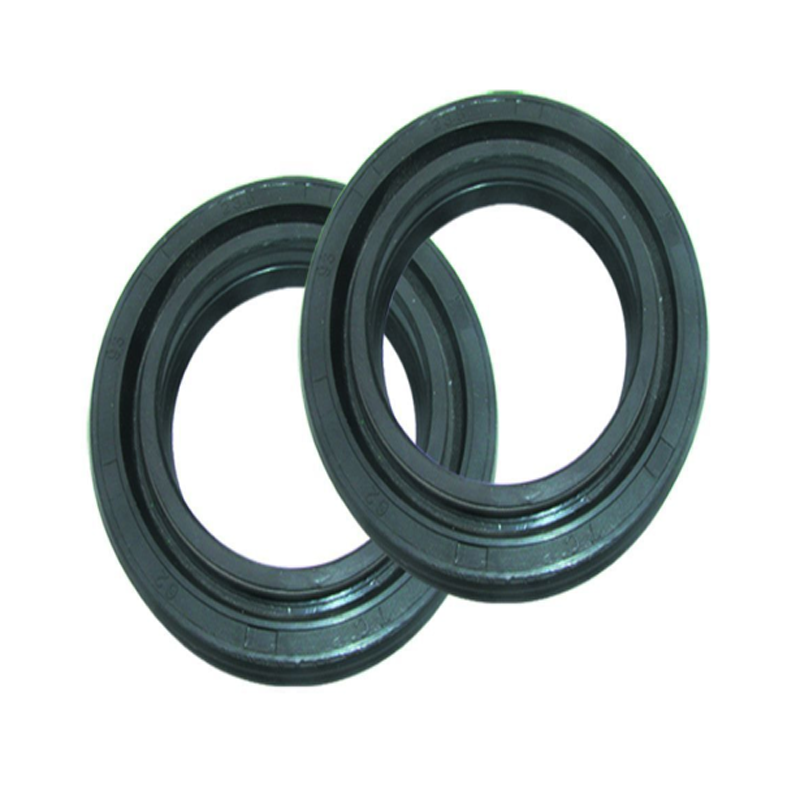
What Is The Mechanical Shaft Seal?
The mechanical shaft seal is a type of seal that is used to help protect the engine and transmission from water, oil, and other contaminants. The seal is made up of two parts: the cone and the cup. The cone is placed on the outside of the shaft, and the cup is placed on the inside of the shaft. When the two parts are mated, they create a seal that prevents water, oil, and other contaminants from entering the engine or transmission.
How Does It Work?
The mechanical shaft seal is a type of seal used on rotating equipment to prevent fluid leakage. It works by creating a tight seal between the rotating housing and the shaft it rotates around. This prevents fluid from leaking out of the system and keeps the machinery running smoothly.
The Effects Of The Seal
A seal is a device that is used to prevent the flow of fluid or gas through a pipe, valve, or another opening. The most common type of seal is the mechanical shaft seal, which is a ring-shaped device that fits around the inside of a rotating shaft. The seal prevents the shaft from moving and allows the engine to operate smoothly.
Conclusion
The mechanical shaft seal is a type of seal used in rotary engines, pumps, and other rotating machinery. It is a two-part assembly that consists of an inner ring and an outer sleeve. The inner ring has a number of evenly spaced slots that are lined up with the corresponding holes on the outer sleeve. When the two parts are brought together, the fit between them is such that liquid cannot flow through the gaps between them and seep out (or into) the engine or pump. This makes it possible to operate machines at high speeds without allowing any lubricant to escape. You must locate the appropriate source if you’re seeking a mechanical shaft seal. After reading this blog, we hope you’ll be confident enough to buy your next mechanical shaft seal and get the outcomes you want. As well as you can get in touch with Junty who specializes in mechanical shaft seals. Gratitude for reading!
¡Comparta esta publicación!
Publicaciones relacionadas
 Mejore el rendimiento de las bombas de agua con anillos de sello mecánico versátiles de Junty30 de agosto de 2024
 Confíe en Junty para todas sus necesidades de discos de empuje y arandelas de empuje29 de agosto de 2024
 Su fuente de confianza para piezas de sellos mecánicos de alta calidad28 de agosto de 2024
 Soluciones de grafito de carbono con enlace de resina, impregnación con resina e impregnación metálica27 de agosto de 2024