

This article takes a look at the rotary face seal, a component of the mechanical seal which is used to provide sealing in metal and plastic tubes.
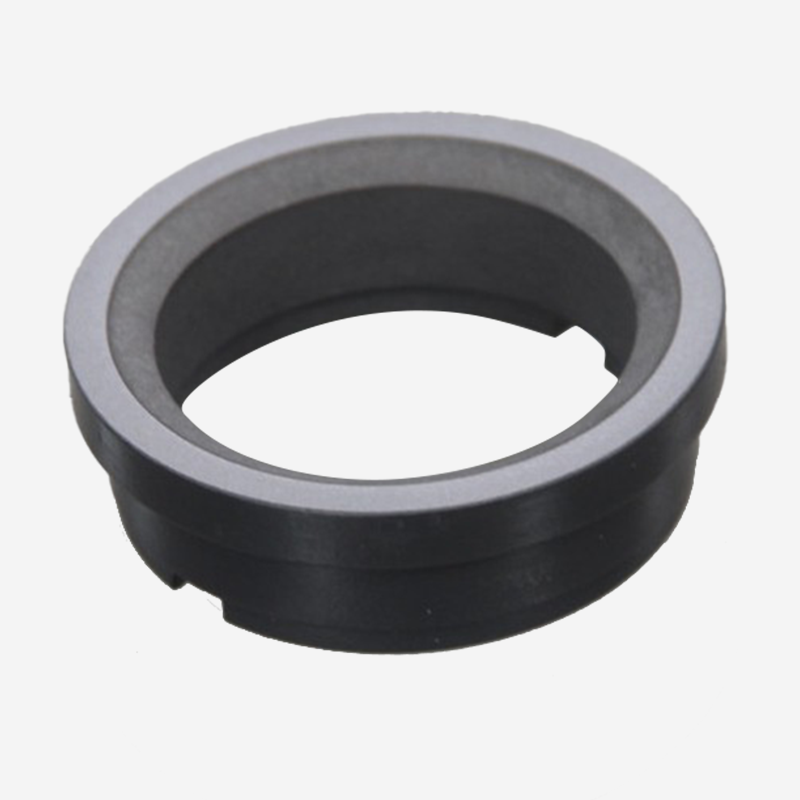
What Is The Rotary Face Seal?
A rotary face seal is a mechanical seal component that operates in a manner similar to the rotary disk seal. The face of the seal is rotated as it contacts the fluid, creating a tight seal. They are typically used in applications where high pressure and high temperature are common, such as oil refinery processes and chemical plants.
How Does It Work?
Rotary Face Seal (RFS) is a mechanical seal component that attaches to the rotating gearbox of a reciprocating engine. It functions as a seal between the gearbox and the engine case, preventing the transfer of oil and other contaminants between the two. The RFS is composed of several metal rings that are attached to each other by means of a rotating joint. The rings are mounted on a rotating disk, which in turn is attached to the gearbox casing. When the engine is running, the disk rotates and causes the rings to move against each other, creating a seal around the gearbox.
Applications Of Rotary Face Seals
Rotary face seals are used in a variety of mechanical and aerospace applications due to their high wear resistance, precision, and dimensional tolerances. They are often applied to surfaces that require a gas-, liquid-, or vapor-tight seal, such as bearings, shafts, and turbines. Rotary face seals can also be found in medical devices such as heart valves and prosthetic devices.
Conclusion
Rotary face seals play a vital role in keeping liquid and gas flows in systems stable. They are also used to prevent the escape of fluids from areas where they are not wanted (such as between two objects). We will also look at some of the key features that make them so versatile and effective.If your industry requires high precision mechanical seals, please contact Junty for more details.Over the course of more than 20 years, Junty has been a global supplier of sealing devices, wear-resistant parts, and components to the fluid and gas control sectors. Our US facilities enable us be better prepared to fulfill the competitive demands of the regional and global markets and respond to our customers’ needs more rapidly while still creating high-quality customisable goods depending on customers’ requirements.
¡Comparta esta publicación!
Publicaciones relacionadas
 Mejore el rendimiento de las bombas de agua con anillos de sello mecánico versátiles de Junty30 de agosto de 2024
 Confíe en Junty para todas sus necesidades de discos de empuje y arandelas de empuje29 de agosto de 2024
 Su fuente de confianza para piezas de sellos mecánicos de alta calidad28 de agosto de 2024
 Soluciones de grafito de carbono con enlace de resina, impregnación con resina e impregnación metálica27 de agosto de 2024